As of this writing, the 2026 Iran war has created a ripple of uncertainty throughout the world.
With events unfolding in real-time, let's explore the potential implications on travel safety, consumer prices, and of course, currency.
What We Know Right Now (And What We Don't)
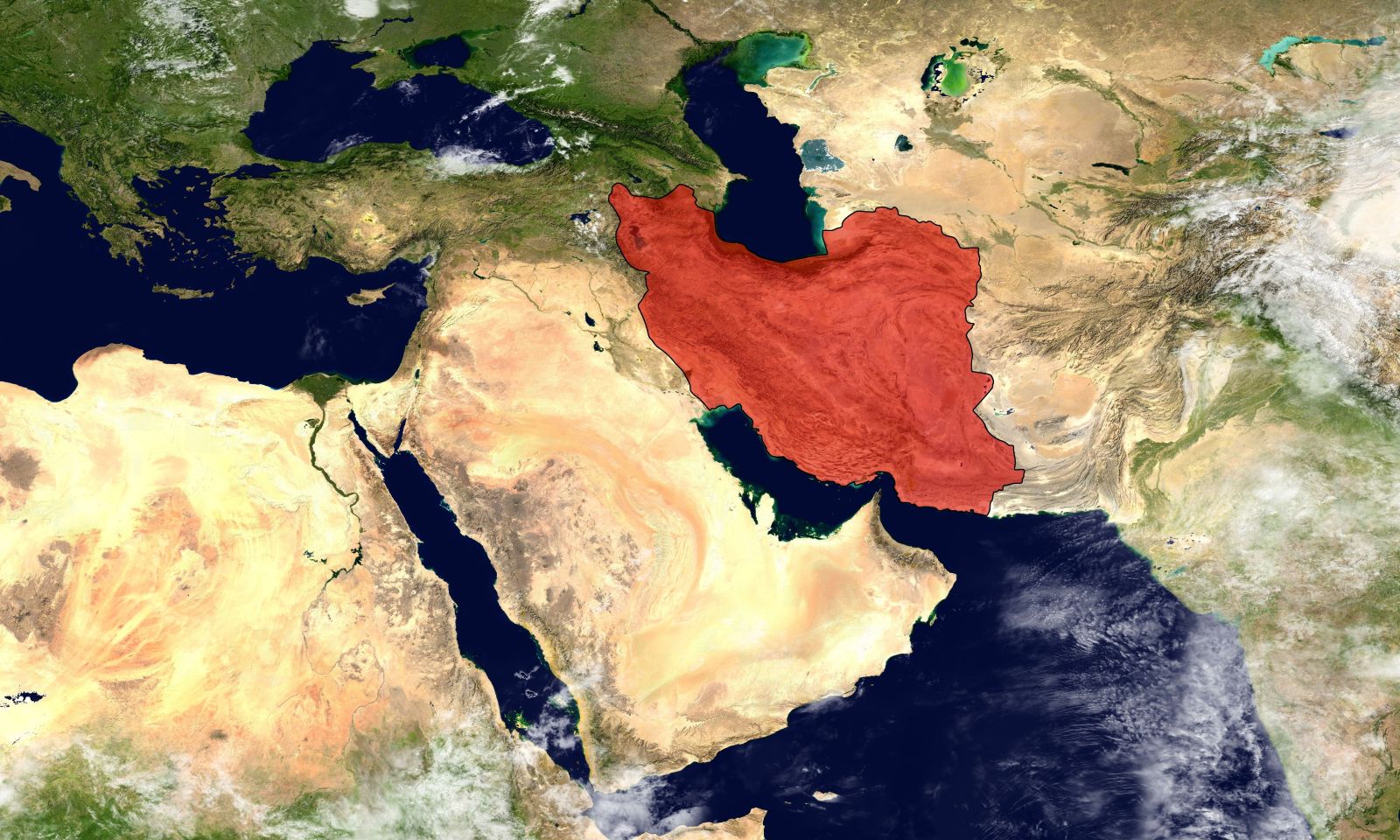
Unknown to most people until mere weeks ago, the Strait of Hormuz is now the center of global attention because of its centrality in global oil transport.
This narrow sea passage directly borders Iran and carries approximately 20 million oil barrels a day — roughly one-fifth of global petroleum liquids consumption. Rerouting this oil is not a quick or simple solution, putting pressure on oil prices and potentially creating broader economic consequences if unchecked.
Economists call this type of crisis an "oil shock", made famous on two notable occasions in the 1970s. Even though the global economy is roughly half as reliant on oil as it was then, there are still major implications for travel costs, shipping costs, and broader inflation.
In short, if it is suddenly more expensive to fuel trucks, boats, and planes, everyday consumers will feel the impact on their wallets.
The big question is how long the disruption will last, and how contained the conflict will be. Are we looking at a sustained increase in energy prices like the one triggered by the 2022 Russian invasion of Ukraine, or a brief blip?
The only thing we know for sure is this: with an uncertain volatility timeline, it makes more sense to plan for sustained volatility than to assume a quick return to normal.
Should You Travel Right Now?
Let's start with the practical basics: Is now a good time to travel? What does the unfolding conflict mean for basic safety and travel costs?
For US travelers, the gold standard for safety evaluation is the State Department's travel advisory level system, which ranges from level 1 ("exercise normal precautions") to level 4 ("do not travel").
Unsurprisingly, Iran itself is currently at a level 4. As for the region at large, the answer varies: UAE, Qatar, and Saudi Arabia have all risen from levels 1 or 2 ("exercise increased caution") to level 3 ("reconsider travel") amidst the conflict. The nearby nations of Israel and Lebanon remain at levels 3 and 4, respectively.
The best practice here is to check the advisory level for every country you travel through, including layover locations. It's also wise to follow any security alerts issued by local US embassies or consulates: you can get these alerts by signing up for the Smart Traveler Enrollment Program (STEP).
How Conflict Can Affect Travel Costs
Let's examine the next most important issue: travel costs.
As mentioned, this particular conflict is likely to have at least a short-term impact on travel costs through increased jet fuel prices. Indeed, jet fuel prices have notably risen since the Iran conflict began, and airlines have begun increasing summer flight costs in response.
While the current conflict is unlikely to affect the direct cost of any already-booked flights, it could definitely impact scheduling and routing, which could in turn increase your travel costs. So far, that's what's happening.
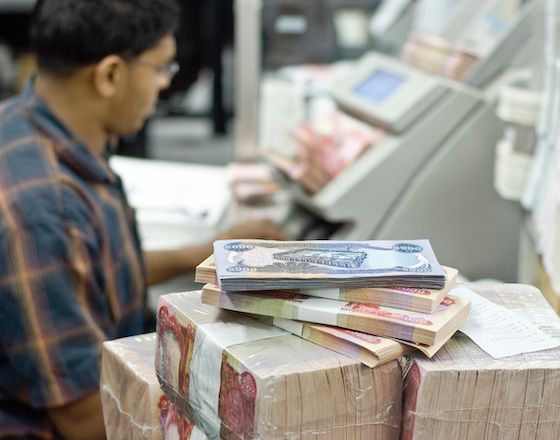
Last but not least, an environment of volatility is even more reason to carry cash during your trip, and ideally have cash on hand prior to your trip. Trust us.
How Conflict Can Affect Currency Rates
Now for the question most on our minds at SafeDinar.com: how does a conflict like this affect currency rates?
Without making any predictions, we can make a few objective observations: global market uncertainty often moves investment dollars into "safe haven" currencies such as the US Dollar, Swiss franc, and Japanese yen. Investment flows often increase into the economies of these nations as well, which are perceived to be more stable.
Oil can also play a big role: Countries that import relatively more oil are likely to see energy costs rise, which can feed inflation due to higher transportation and production costs, potentially lowering the value of the currency in question. But reality is not always that straightforward, as government intervention can complicate that effect.
Of course, historical trends don't determine the future, and we can only learn so much from the "oil shocks" of the past. Volatility is inherently unpredictable: the length and scope of the conflict are still up in the air, and only time will tell how it will impact global currencies.
Finally, what about the Iranian rial? All we can say is this: We have seen consistent interest in the rial for many years now, but it remains illegal to buy or sell this currency.
What To Watch
As mentioned, travelers should keep a close watch on State Department travel advisories and risk levels for any countries they'll be visiting. STEP alerts are a smart idea, as well.
For those of us simply trying to make sense of the implications of this conflict, following the news via trusted sources and keeping an eye on oil prices can help us keep meaningful tabs on the fallout of the conflict.
Finally, consider tracking the exchange rate of regional currencies that may interest you via our exchange rate alerts.
Stay Tuned
We hope you found this assessment useful. We'll be watching this conflict closely, and will let our customers know in the event of any particularly notable currency volatility or changes in availability.
It's a tough time for travelers, with events abroad unfolding alongside TSA chaos at home. If you have to travel regardless, remember the basics: treat uncertainty as a reminder to bump up your travel budget to afford you maximum flexibility. Carry cash for emergencies. Keep a close watch on State Department warnings. And be safe out there.