With nearly a billion and a half inhabitants, a highly diverse climate, and a culture both recognizable and distant from the West, few countries conjure more evocative images in the mind than India.
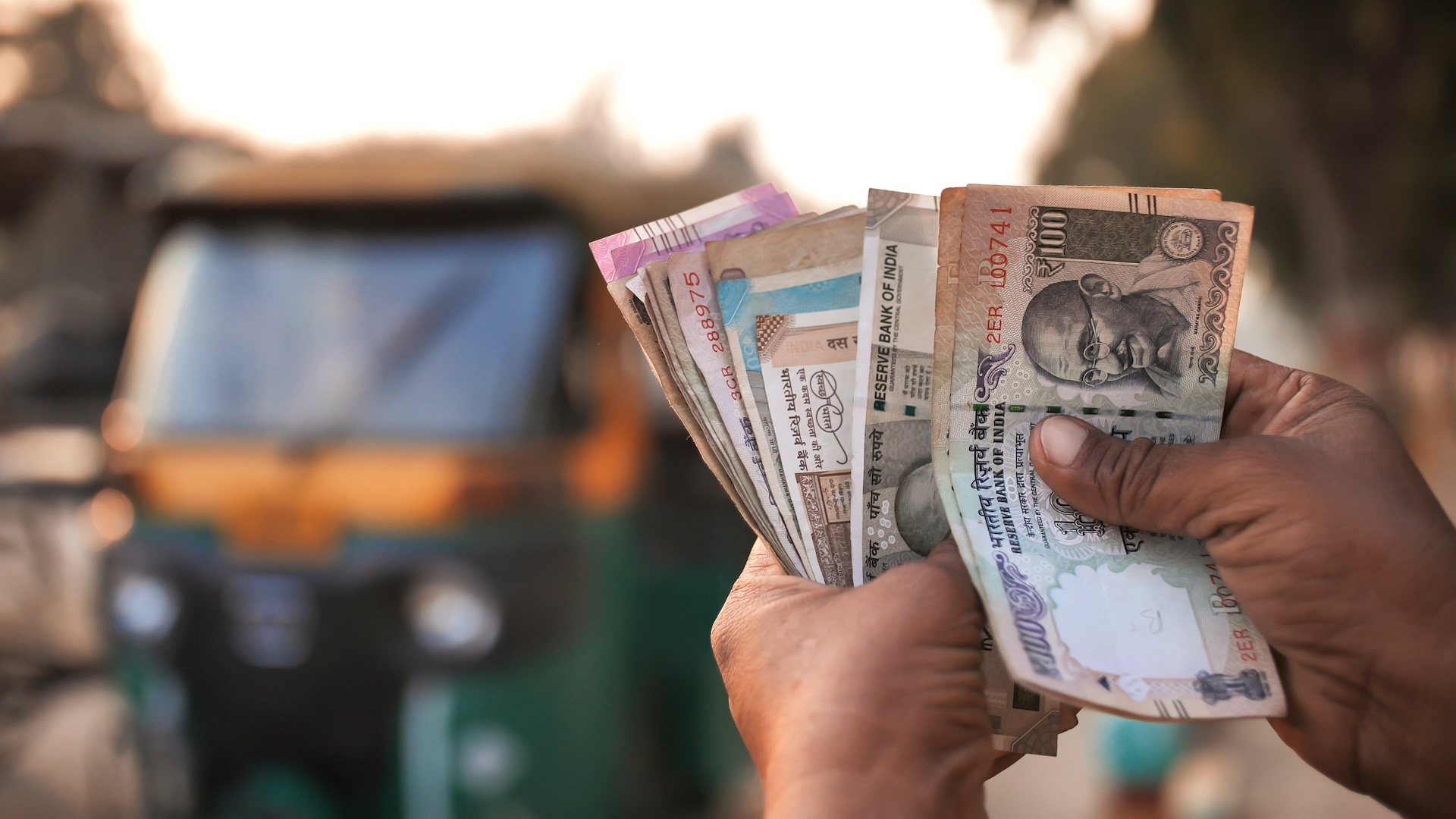
One of the oldest cultures on Earth, India is a nation packed with distinct tastes, sights, and sounds. The Indian rupee (INR), India’s official currency, is your ticket to exploring this incredible country.
Want to learn more about the Indian rupee? Curious about India? We have you covered.
History of the Indian Rupee
Unsurprisingly, the rupee has been around for centuries, dating back to the 16th century. Once pegged to the British pound, and later the US dollar, the rupee now uses a floating exchange rate.
Issued by the Reserve Bank of India since 1935, the rupee comes in denominations of 10, 20, 50, 100, 200, and 500. Intriguingly, the ₹ symbol associated with the rupee was only introduced in 2010.
While the Indian rupee (INR) may be on a downward trajectory more recently, it is still in the top echelon of stable currencies. More importantly, India’s consistent position among the most important emerging economies in the world ensures the relevance of the rupee for years to come.
Traveling in India

The timing of a trip to India ought to consider two factors: monsoon season — which lasts from roughly May to early October — and the hottest months of April, May, and June leading into monsoon season. That leaves late October to March as the ideal weather window to visit India, though it is worth considering more local weather conditions before booking.
India is practically overflowing with iconic touchstones, including the Taj Mahal, the Ganges River, Sundarbans National Park (think Bengali tigers), and Thar Desert. All of these and many more make for worthy stops. Best of all, savvy travelers will find that exceptional accommodations, food, and travel options are available for what would be an incredibly low price in the US.
Before Your Trip

Get an eVisa. Travelers will first need to obtain an eVisa before making their journey to India. Travel insurance is also widely recommended to ensure your health and safety due to the inconsistent availability of medical services.
Know the customs. Additionally, there are local customs worth familiarizing yourself with — from eating with your hands to dress code — whose importance will vary depending on where in India you will be traveling. If you’re visiting any temples, modest attire is a must.
Grab rupees before you go. Smart travelers know that it's always best to land with cash already in hand, and that's particularly true of a nation like India. Just be aware that the Reserve Bank technically limits travelers to arriving with 25,000 INR or less.
Don't Wait: Buy Indian Rupee Now
During Your Trip

Generally speaking, cash is king in India, but depending on where you are, this is changing fast. As in many developing countries, digital payments are taking off, with QR codes popping up to facilitate payments via Google Pay and similar services (Apple Pay is not yet available, but a launch is expected in late 2026). UPI is the major player in digital payments in India — and available to travelers — so it’s worth your while to set up an account before or during your trip.
Outside the big cities, be aware that many businesses won’t accept credit cards, and even then, likely only Visa or Mastercard. Of course, be certain to notify your bank of your travel plans to prevent your card from being declined.
In need of another cash infusion? Familiarize yourself with the most trusted banks in India and aim to transact with one of them. Counterfeit scams have been a persistent issue in India, with major steps taken in recent years to address the problem.
Planning on using ATMs? Be aware that they can be hard to find in rural areas, with low transaction limits and relatively high fees. Use bank-affiliated ATMs whenever possible in the most secure locations you can find to minimize your risk of fraud.
In short: plan ahead, know your options, and be smart about where you transact your currency.
After Your Trip
Upon your return, you can easily sell back any remaining rupees to us without needing to wait in line at a bank (presuming your local bank can exchange rupees in the first place). Simply enter your transaction on our website and we’ll send you a printable label that you can package and drop off at any FedEx location. One day after we receive your rupees, you will receive a deposit in your bank account of choice.
Few countries can claim to be a feast for the senses like India, and we’ve barely scratched the surface. Armed with a better understanding of the currency and the country, we hope you feel more prepared for an unforgettable trip.
Key Takeaways
- Cash is king across much of India, but digital payments are growing fast. UPI is the dominant platform and is available to international travelers.
- Foreign visitors can bring in up to 25,000 INR. Arriving with rupees in hand enables you to skip the unfavorable rates offered by airport kiosks.
- Credit card acceptance is limited outside major cities. Visa and Mastercard are your best bets, but be sure to notify your bank of your trip in advance.
- Use bank-affiliated ATMs when possible. Rural ATMs can be scarce, with low limits and high fees, and counterfeit currency has been a persistent issue.
Key Takeaways
- Indonesia is largely a cash-based economy, even in tourist-heavy Bali. Digital payments are growing, but credit cards aren't widely accepted outside the most tourist-focused areas.
- Most American banks don't carry Indonesian rupiah. Getting yours before you fly enables you to skip the unfavorable rates offered by airport kiosks.
- Stick to ATMs at banks or major shopping areas. Skimming scams have been reported at machines in more isolated locations.