- Currency scams are a growing subset of investment fraud, from "sure bet" revaluation pitches to demonetized currency sales.
- Before transacting with any currency exchange, verify their FinCEN registration, state licensing, BBB accreditation, fees, and turnaround times.
- The Iraqi dinar itself isn't a scam, but it is a recurring target of scams, making due diligence especially important.
As anyone alive with a phone number or email address knows, scamming is alive and well.
In fact, internet-based scams are stealing more money than ever. And the number one contributor to those losses? Investment fraud.
As a currency exchange in operation for over two decades, we feel both qualified and obligated to make customers aware of the ever-changing landscape of currency scams — including those involving currencies we sell, such as the Iraqi dinar.
In this article, we will walk you through the most common scams we have seen over the years, along with some practical tips to keep yourself safe.
Note: this is in no way an exhaustive list, as there are simply too many scams to keep up with. We will also limit our exploration to traditional, fiat currency, leaving cryptocurrency (and its many scams) aside.
The "Sure Bet" Sales Pitch
The most common currency scam involves self-professed "experts" touting devalued money as an ironclad investment opportunity. They lure in prospective investors with the claim that buying notes at rock-bottom prices will result in astronomical returns after the currency revaluates in the future.
One persistently popular model is the "conference call". Modeled after shareholder calls and led by self-styled "gurus", these calls provide unsubstantiated "updates" about changes in currency policy that will make revaluation imminent. Some of these calls employ alleged US Treasury officials and other experts to attempt to legitimize their false claims.
Speaking of false claims: sometimes the claim is not simply that one currency will revalue, but that an entire global currency reset is about to occur. Scammers, of course, tout the reset as beneficial to buyers of devalued currency, encouraging them to buy in now (from them).
Layaway Plans
In this scam, a "seller" offers to sell a currency on a "layaway" plan, claiming to hold the funds until revaluation. They may have the client sign a non-disclosure agreement, or issue a safekeeping receipt (SKR). In most cases, there is no way to confirm that the currency in question actually exists. The NDA can discourage the victim from pursuing legal action, and may even force the customer to forfeit their claim on the (often non-existent) notes.
Option Sales
In this scam, a "dealer" sells you an "option" on a currency: basically, the right to buy a certain amount of notes later at a set price. If the customer doesn't follow through, they lose the upfront "premium" they have already paid.
Options are a real financial product, but unless you're working with a regulated broker-dealer, you are likely looking at a scam.
For this kind of deal, you should be able to clearly verify the broker-dealer through FINRA. You should also have full access to the relevant contract documentation, and verifiable proof that the currency is reserved and available for delivery. If any of these elements are missing, that should be a major red flag.
Authentication Scams
In this scam, the scammer obtains a customer's currency under the false premise of "authenticating" the banknotes (their serial number, condition, etc.). In doing so, they may have the customer sign a non-disclosure agreement (NDA). The banknotes are often never returned, and the NDA is often written in such a way that, in breaching it, the customer relinquishes their claim on the money.
Illegal Currency Trading
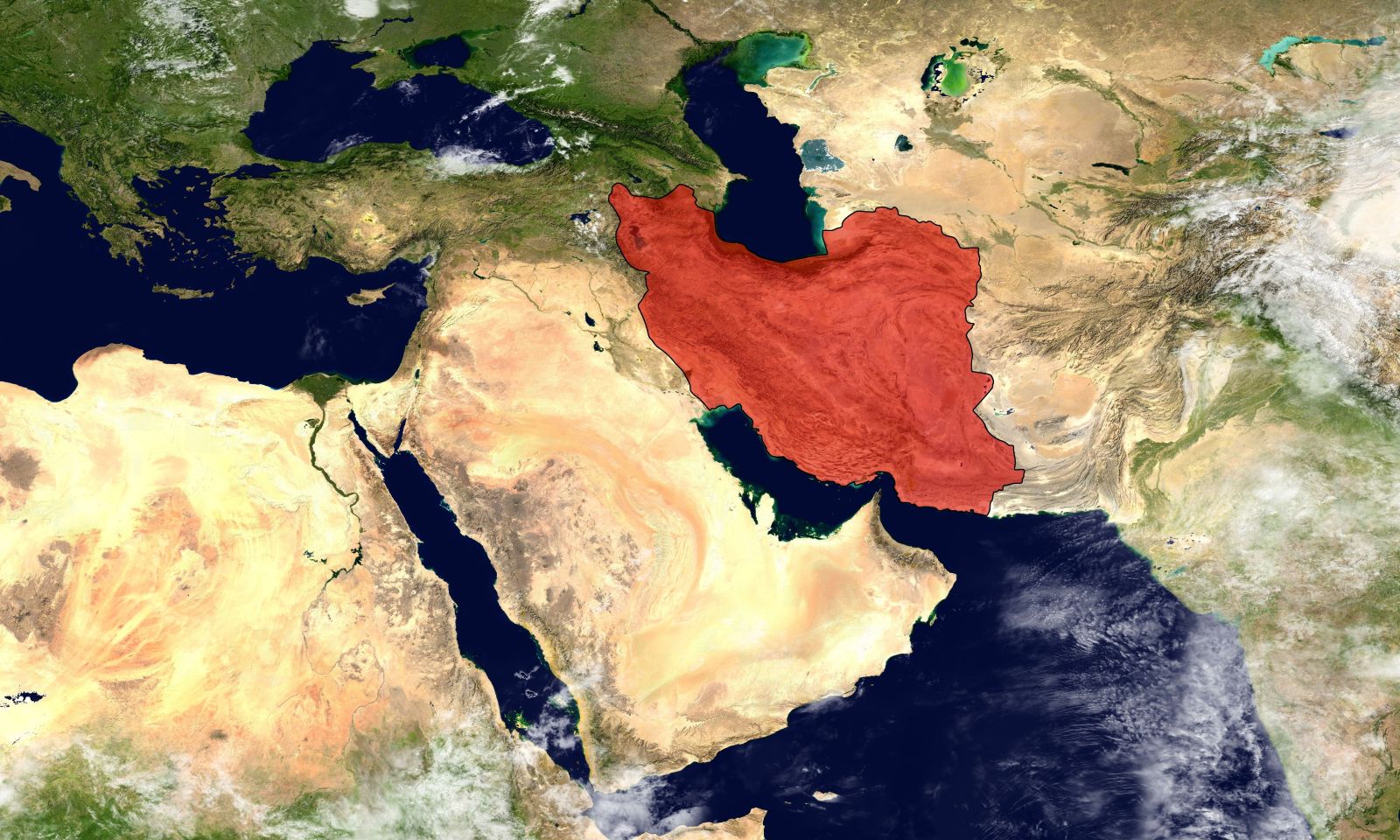
A particularly dangerous scam involves the sale of sanctioned currencies, such as the Iranian rial. These scammers typically misconstrue the facts to make it appear that it is legal to buy or sell these currencies. In reality, it is functionally illegal for both the buyer and seller, and in the case of the Iranian rial, it has been for some time.
Defying these sanctions is not a law worth breaking: they entail stiff financial penalties and even potential jail time.
Demonetized Currency Trading
In an especially brazen scam, scammers claim that a worthless, defunct currency will be (you guessed it) revalued. The Zimbabwe dollar, retired in 2009, is a popular example.
In reality, Zimbabwe has long since moved on to other currencies, and actually uses a multi-currency system that favors the US dollar.
Stalling Shipments or Payments
Some disreputable currency exchanges simply withhold payment for notes, or withhold the delivery of notes for an indeterminate amount of time.
This one can be simple to avoid: do some basic due diligence into your exchange. Want two quick tips? Make sure they're a registered MSB, and have a legitimate BBB page.
Is the Iraqi Dinar a Scam?
This is the second most common question we receive, right behind "what's going to happen to the value of the dinar?" (we address that question here)
So, is the Iraqi dinar a scam? The Iraqi dinar is simply a currency, issued by a central bank, and used every day in a country populated by nearly 50 million people. That in itself fails to meet any meaningful definition of a scam.
Is the Iraqi dinar subject to countless scams? Without question. Even some currency exchanges have peddled dinar scams for their own enrichment.
The real question is: why are you buying the dinar? Are you traveling to the Middle East and obtaining some currency before you go? Or are you placing a speculative bet that the dinar will dramatically revalue? Have you allocated an irresponsible amount of money toward this speculation, or can you afford to lose it if things don't go to plan? If someone is encouraging you to acquire the dinar, what do they have to gain from the transaction?
These are the questions that can help you determine if acquiring the dinar is a scam for you.
If you're in possession of the dinar for any reason and simply wish to get your money back in US dollars, you have options. To date, the value of the Iraqi dinar has been mostly stable since the post-2003 period, so you may be able to recoup a good portion of the value through a reputable exchange. We will happily take care of that transaction for you, regardless of where you acquired the dinar in the first place.
Not ready to make an exchange just yet? No problem. If you're still thinking about buying or selling, or waiting for the rate to go up or down, you can easily set up a free, customizable exchange rate alert.
How To Avoid A Currency Scam
Eventually, a currency scam comes down to an actual transaction or contractual agreement. When that time comes, here are nine questions to ensure you aren't being directly scammed out of your money:
- Are they registered as a money service business with FinCEN? You should be able to find the business here.
- How long have they been in business? The answer tells you a lot about who you'll be dealing with (for instance, we've been in business for 21 years). You should be able to verify this on the Secretary of State's website from the state where the business was formed.
- What is the turnaround time to receive your currency or payment? This information should be available on their website or when placing the order.
- Are they an accredited business with the BBB? You should be able to find their business record here.
- Do they have customer testimonials? Testimonials should be published on the business's website. Better yet, look for legitimate 3rd party sources (such as the BBB).
- Do they hold a currency exchange license to do business in your state? Most states that require a license publish licensee information on the state's Department of Financial Institutions website.
- What are the total costs associated with the transaction? All fees should be published on their website when placing an order.
- Can you review the terms and conditions and any other disclosure statements? This information should be available on their website, or directly provided via email.
- Do they ensure the authenticity of the currency you exchange? The company should be able to confirm that they have the necessary software to verify that the currency is not counterfeit.
What If I've Already Been Scammed?
First things first: report it.
Start by contacting the financial institution through which you made the payment to see if it can be reversed. Next, for any internet-based scam, file a complaint with the Internet Crime Complaint Center (IC3).
If you were a victim of an Iraqi dinar-related scam, be aware that the FBI has sought victim information in the past related to fraudulent exchanges. If you were scammed by one of these fraudulent exchanges, you can still supply that information to the FBI here and here.
It Doesn't Have to Happen to You
Sadly, currency scams aren't going anywhere. In fact, they are likely to continue growing and evolving over time.
But just because they're prevalent doesn't mean it has to happen to you. We've done our best to give you a thorough overview of the major scams we know about, but this is guaranteed to be an incomplete list.
Want even more tips on scams? Check out our article on the 9 things to know before using a currency exchange.